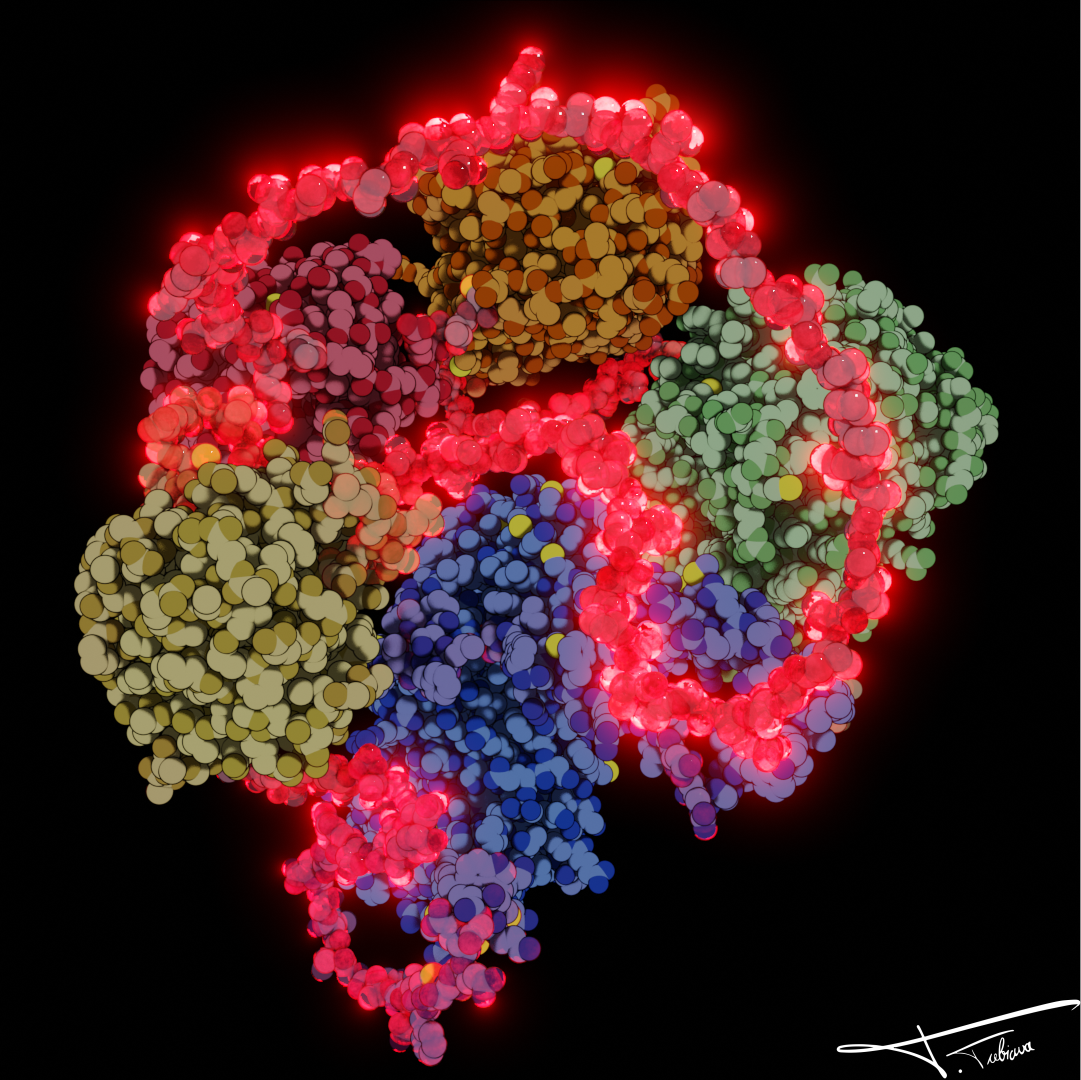
Hepatitis E: structure and domain organization of ORF1
With Dr. Sonia Fieulaine and Dr. Stephane Bressanelli at I2BC, I use AlphaFold-based modelling, combined with a soluble expression system Sonia developed for this notoriously hard-to-produce protein, to determine the structure of HEV's replication polyprotein ORF1 (~1700 residues, 186 kDa). This revised the domain map first proposed in 1992 from six domains to five, showed there is in fact no protease domain, and identified a new domain I named MetY. I'm now extending this classification across HEV genotypes and host species.
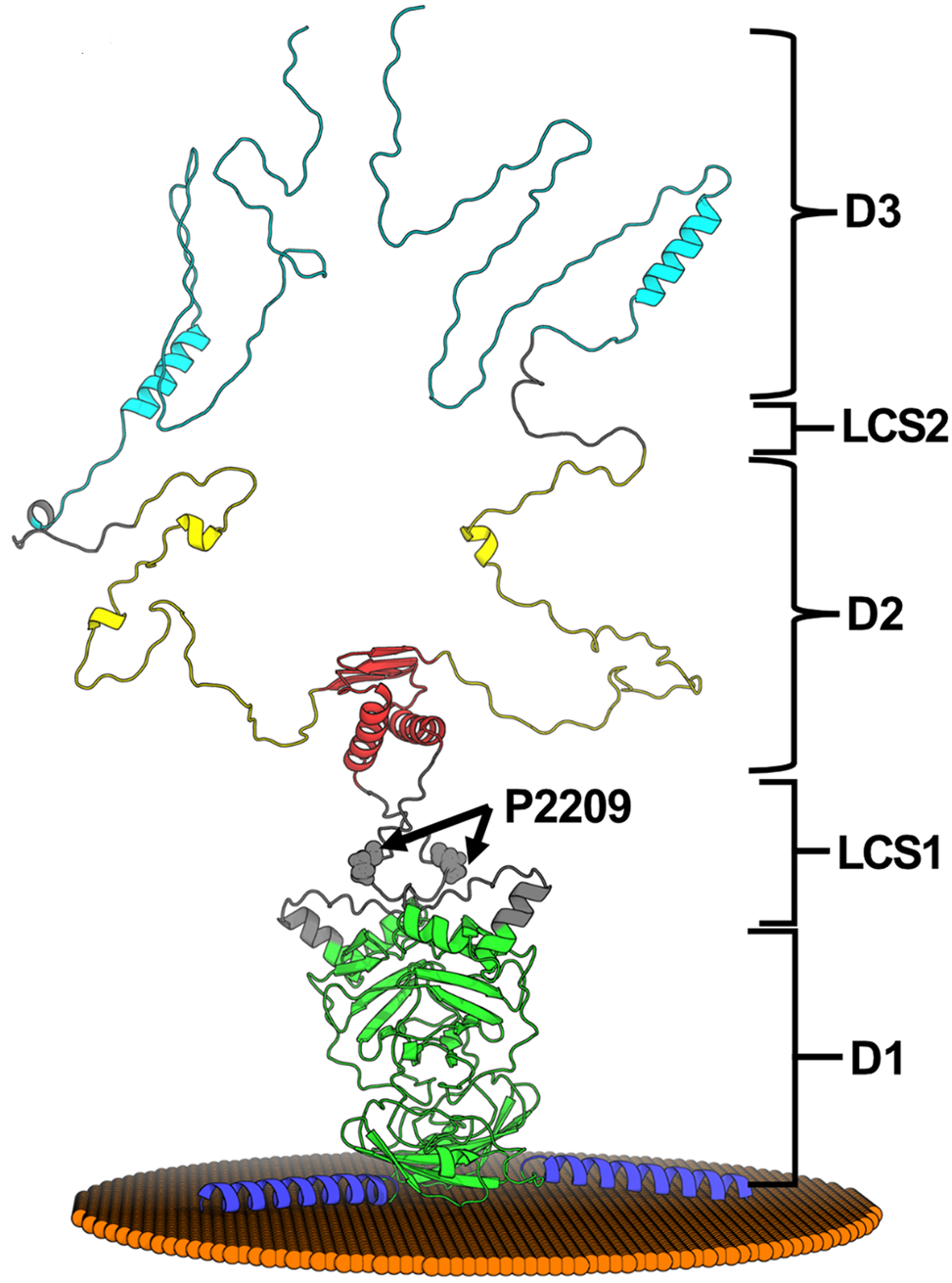
Hepatitis C: a new NS5A dimerization interface
Modelling the hepatitis C virus proteins NS5A and NS5B together at the endoplasmic-reticulum membrane, I identified a previously unknown NS5A dimerization interface (D2), now being pursued crystallographically with Prof. Volker Lohmann's group.
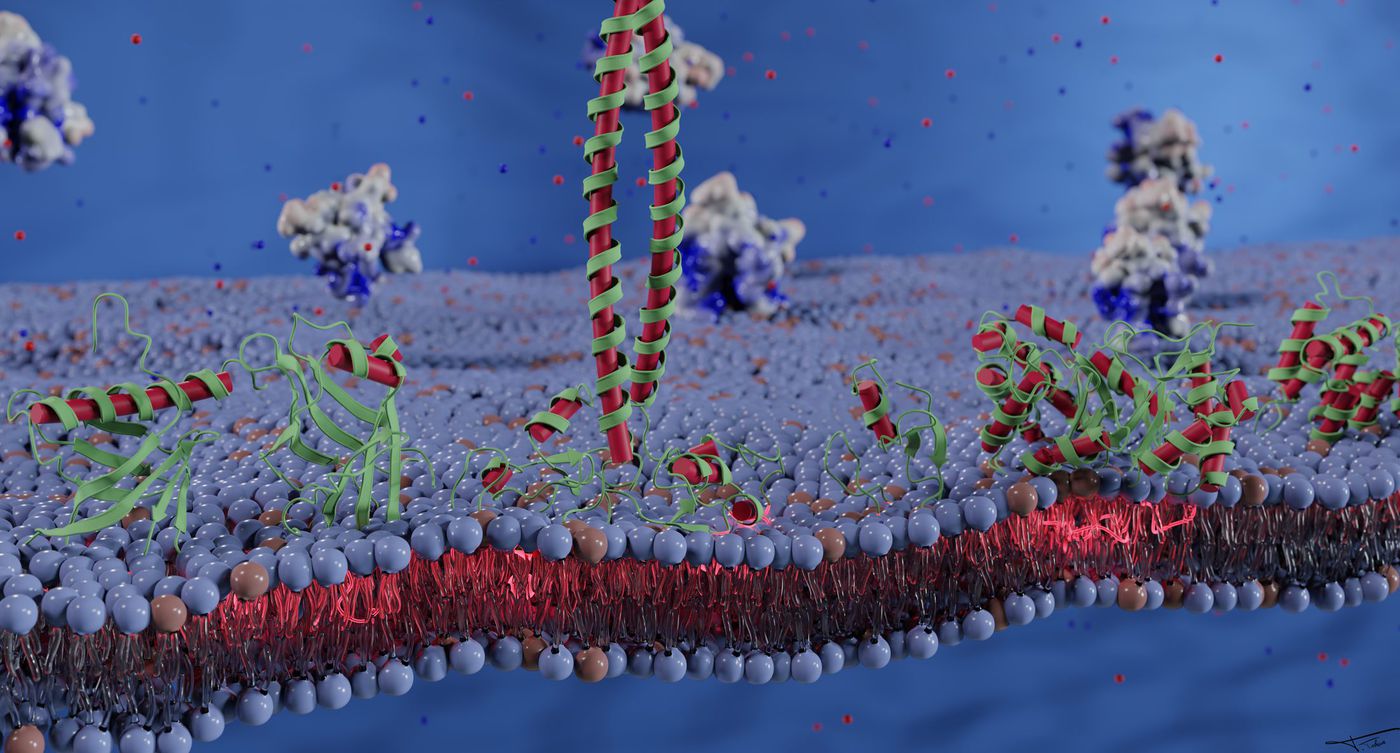
Peripheral protein–membrane interfaces
With Prof. Nathalie Reuter, I characterized how peripheral proteins recognize and bind membranes. I built a curated dataset of peripheral protein–membrane interfaces with dedicated analysis tools, and applied supervised machine learning to extract the features that drive these interactions.
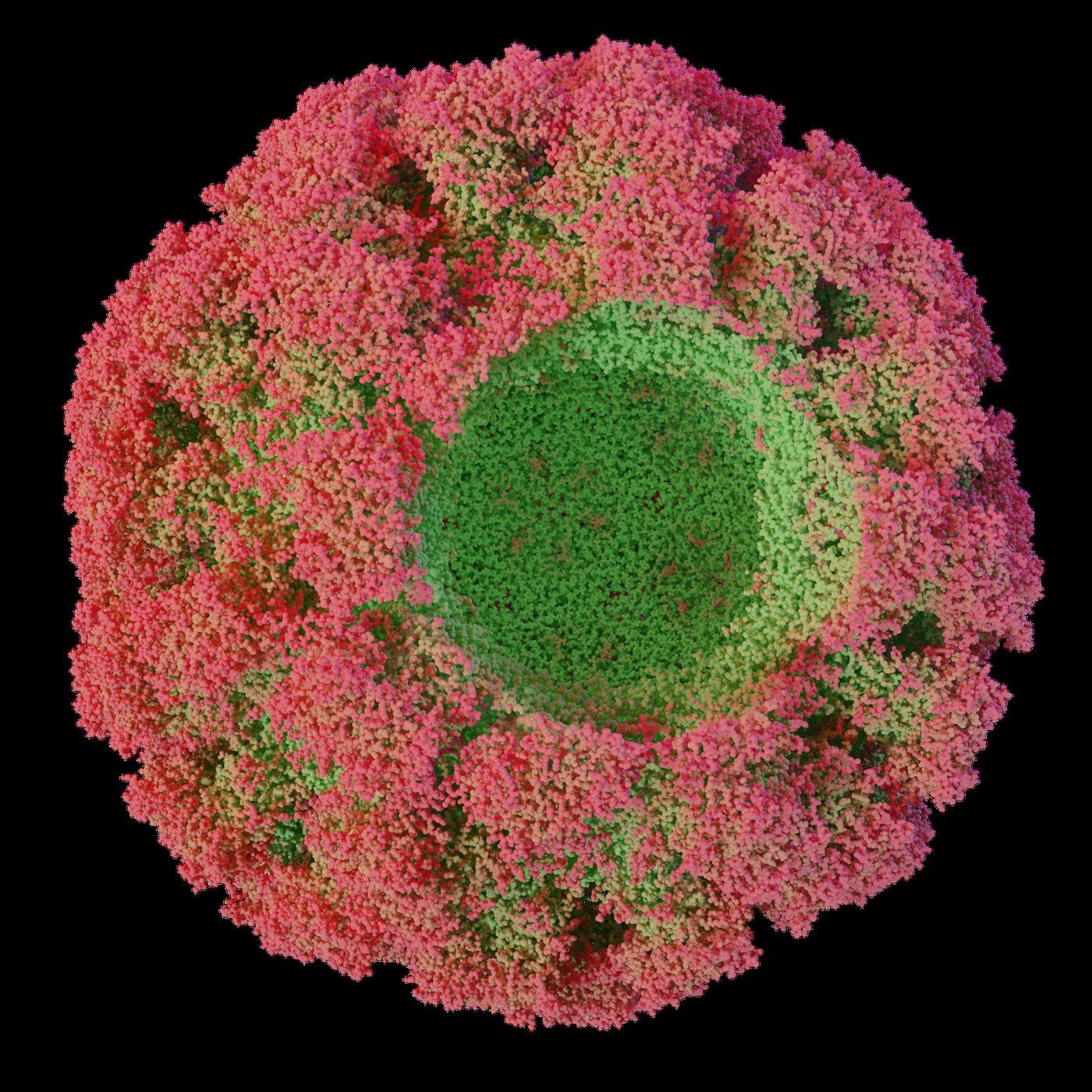
Viral capsid self-assembly
My PhD (with Dr. Stéphane Bressanelli) combined molecular dynamics, homology modelling, protein–protein docking and SAXS experiments to study the self-assembly of norovirus capsids. It also led to TTClust, a trajectory clustering program now widely used by the community.